Complete Guide to planning your Geneva cheese trail
Complete Guide to planning your Geneva cheese trail
Blog Article
Memorable Grape Journeys: Find the Finest Vineyards for an Incredible Experience
Remarkable wine tours deliver a one-of-a-kind possibility to explore some of the world's finest vineyards. From the rugged hills of Napa Valley to the rolling landscapes of Tuscany, each region has its own distinct charm. Visitors can engage in guided tastings and uncover the elaborate process of winemaking. However, the true essence of these tours lies in the experiences they create. What makes a vineyard truly noteworthy? The answer unfolds in the details of each journey.
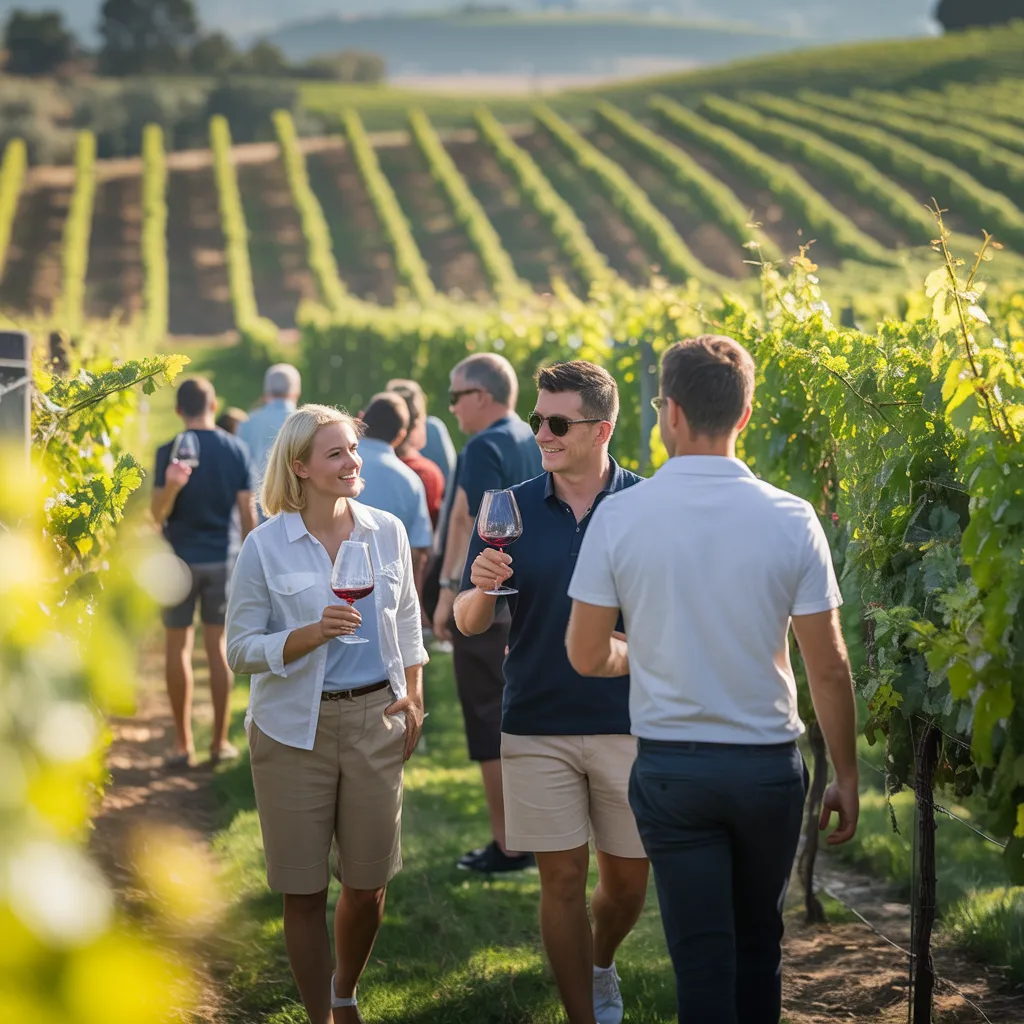
Best Wine Districts to Check Out
Wine lovers embark on expeditions to explore the world's top-tier wine regions, each offering distinctive flavors and experiences. The rolling hills of Napa Valley call with its full-bodied Cabernet Sauvignons and vibrant Chardonnays, drawing visitors eager to immerse themselves in its sun-drenched vineyards. Meanwhile, Tuscany enchants with its picturesque landscapes and renowned Sangiovese wines, offering a experience of Italian heritage and tradition. The Bordeaux region of France stands as a symbol of sophistication, renowned for its intricate blends and centuries-old winemaking practices. In Australia, the Barossa Valley captivates with its bold Shiraz and innovative wineries, displaying a blend of tradition and modernity. Finally, the dynamic landscapes of South Africa's Stellenbosch region offer a diverse array of wines, from full-bodied red wines to invigorating whites, making it a essential destination for any wine lover. Each region displays a rich tapestry of culture, history, and, of course, exceptional wines.
Engaging Highlights at Notable Vineyards
Surveying esteemed vineyards brings to light plentiful experiential highlights that improve the adventure in wine culture. Countless vineyards deliver guided tours led by experienced professionals, conveying understanding into the winemaking process, from wine production to decomposition. Patrons consistently have the possibility to engage with tastings that present a array of wines paired with local food, enhancing the sensory experience.
Unique occasions, such as harvest festivals and blending workshops, provide visitors the opportunity to engage hands-on with the winemaking process. Some vineyards feature scenic picnic areas where patrons can relax amidst breathtaking landscapes, creating a perfect backdrop for enjoying their selections. Additionally, art installations and live music events boost the atmosphere, making each visit memorable. Through these diverse offerings, notable vineyards not only educate but also foster a close connection between wine enthusiasts and the artistry behind each bottle.
A Tutorial to Creating the Excellent Wine Tour
An unforgettable wine tasting journey necessitates careful planning to guarantee a flawless experience. First, picking the ideal region is vital; popular areas like Napa Valley or Bordeaux offer diverse options. Once the spot is chosen, investigate vineyards to recognize those with unique offerings, from tastings to tours. It's advisable to create a balanced itinerary, allowing time for wandering and unwinding without appearing rushed.
Next, think about getting around. Professional drivers or group excursions can improve security and pleasure. Bookings are often required, particularly at renowned wineries, so booking in advance is recommended. Additionally, season can affect the visit—harvest season is vibrant but crowded.
In conclusion, bringing essentials like a reusable water bottle, sunscreen, and comfortable shoes assures preparation for a day of experience. By strategically arranging these elements, one can create a wine tour that is both memorable and enjoyable.
Learn How to Match Wine With Local Cuisine?
Selecting the appropriate beverage can enhance a meal, particularly when paired with regional dishes. The key lies in grasping the tastes of both the dish and the drink. For instance, a crisp Sauvignon Blanc pairs with fresh fish, enhancing its natural salty notes. Rich, full-bodied reds like Cabernet Sauvignon work wonderfully with hearty proteins, offering a harmony of tastes.
Local ingredients often dictate the best wine selections. In areas known for hot dishes, such as Thai cuisine, an off-dry Riesling can temper the heat. Conversely, traditional pasta dishes might call for a medium-bodied Chianti, which pairs with tomato-based sauces.
Exploratory palates should also take into account regional specialties. A local wine, produced from indigenous grapes, often embodies the essence of the area and can offer a memorable dining experience. Ultimately, the right pairing highlights the culinary heritage, making each meal an unforgettable journey through local flavors.
Seasonal Celebrations to Elevate Your Vineyard Experience
Seasonal celebrations at vineyards can convert a routine visit into a vibrant festival of viticulture and heritage. During harvest season, many wine producers organize grape-picking events, allowing visitors to participate in the traditional practice. This hands-on experience often features guided tours, tastings, and community feasts featuring local cuisine.
When spring arrives, numerous vineyards stage blossom festivals, displaying the gorgeousness of flowering grapevines. Attendees can enjoy exterior wine tastings, live music, and art installations, fostering a festive atmosphere.
In summer, events tend to feature outdoor concerts or movie nights surrounded by the vineyards, enhancing the sensory experience with food trucks and wine pairings.
When the foliage turn colors in autumn, fall feasts become favored, with chefs preparing special menus featuring in-season ingredients. These events provide not only culinary delights but also nurture a stronger tie to the land and its products, making each essential information visit remarkable and enriching.
Sustainable Methods in Vineyards Today
Due to rising interest for green wines, many vineyards are establishing sustainable practices that prioritize ecological balance and social responsibility. These practices feature natural farming methods, which eliminates synthetic pesticides and fertilizers, encouraging healthier soil and biodiversity. Moreover, many vineyards are adopting regenerative agriculture techniques that focus on restoring ecosystems and strengthening resilience against climate change.
Conserving water is another critical element, as vineyards employ drip irrigation systems to reduce waste. Some are even using rainwater harvesting to minimize dependence on local water sources. In addition, renewable energy sources, such as solar panels, are increasingly supporting operations, reducing carbon footprints.
Community engagement also plays a crucial role; vineyards are procuring local ingredients and partnering with adjacent enterprises to strengthen local markets. By embracing these sustainable practices, vineyards not only advance ecological wellness but also offer consumers a opportunity to enjoy wines that reflect a commitment to responsible stewardship.
Finding the Ideal Vineyard that Matches Your Preferences
Choosing the ideal vineyard involves understanding individual wine tastes, including varietals that appeal to one's palate. Additionally, the setting and mood of a vineyard can significantly enhance the tasting experience. Potential guests should also evaluate the variety of tour options and activities available to guarantee a unforgettable outing.
Wine Types and Preferences
How can one work through the extensive range of wine varietals to find a vineyard that fits with personal preferences? Knowing individual taste is crucial. Wine enthusiasts often gravitate toward specific varietals such as Cabernet Sauvignon, Pinot Noir, or Chardonnay, each offering remarkable flavor profiles. To shape a vineyard visit, one should consider what flavors matter most—whether fruity, earthy, or spicy. Reviewing vineyards known for particular varietals can elevate the experience. Many vineyards also offer tastings, allowing visitors to sample before committing to a purchase. Additionally, consulting with informed staff can impart insights into less familiar wines that may harmonize with established preferences. Ultimately, selecting the right vineyard copyrights on a blend of personal taste and examination of the available varietals.
Vineyard Surroundings and Character
The setting of a winery can notably boost the full tasting experience. A vineyard's character serves as a vital element in establishing the proper ambiance for wine devotees, influencing their view of the wines. Some vineyards showcase old-world charm, with vast expanses and attractive architecture, inspiring a sense of serenity. Others can present modern refinement, featuring minimalist designs and contemporary art, drawing those who appreciate polish. The organization of table setups, outdoor spaces, and stunning outlooks may also influence the setting, encouraging guests to remain extended. At the end of the day, picking a vineyard that connects with one's unique preferences can boost the tasting adventure, making it not only about the wine but equally about the moment itself.
Tour Varieties and Attractions
What renders a vineyard tour as truly memorable? The choice of tour offerings holds an important role in improving the experience. Many vineyards provide guided tastings, where visitors can taste a carefully selected assortment of wines matched with local cheeses or charcuterie. For a more interactive experience, some vineyards provide behind-the-scenes tours, revealing the winemaking process from grape to bottle. Educational workshops on wine blending or blending can also deepen one’s understanding. Additionally, outdoor activities such as vineyard excursions or picnics within the vines allow guests to connect with the landscape. Choosing the right vineyard means matching personal interests with available activities, ensuring a unique and enjoyable adventure crafted to individual tastes.
Commonly Requested FAQs
What Attire Is Best for a Vineyard Excursion?
When going on a vineyard tour, comfortable clothing is essential. Breathable fabrics, a wide-brimmed hat for sun protection, and sturdy shoes are recommended. Wearing layers can accommodate varying temperatures, ensuring an enjoyable experience throughout the day.
Are Kids Able to go on Wine Tours?
Several vineyards welcome children on guided visits, but policies differ. Some offer activities that families enjoy, while others may limit access to designated areas. It's advisable to verify specific vineyard guidelines before arranging a visit with children.
How Much Time Should You Expect for Wine Tours?
Wine experiences generally span between one to four hours, determined by the vineyard's choices and the planned route. Guests regularly savor tastings, guided walks, and educational sessions, increasing their knowledge for wine and the production process.
Can I bring My Own Food into a Vineyard?
Several vineyards maintain clear regulations about outside food. Some might authorize it, while others completely forbid it. Guests should verify each vineyard's rules prior to circumvent any issues during their wine tour experience.
Are Animals Permitted at Vineyards?
Many vineyards permit animals, but rules differ. Some accept canines on leashes, while others may restrict animals to designated zones or during occasions. It's advisable for visitors to check each vineyard's pet policy in advance.
Report this page